A 3 lb fighting robot, built from scratch.
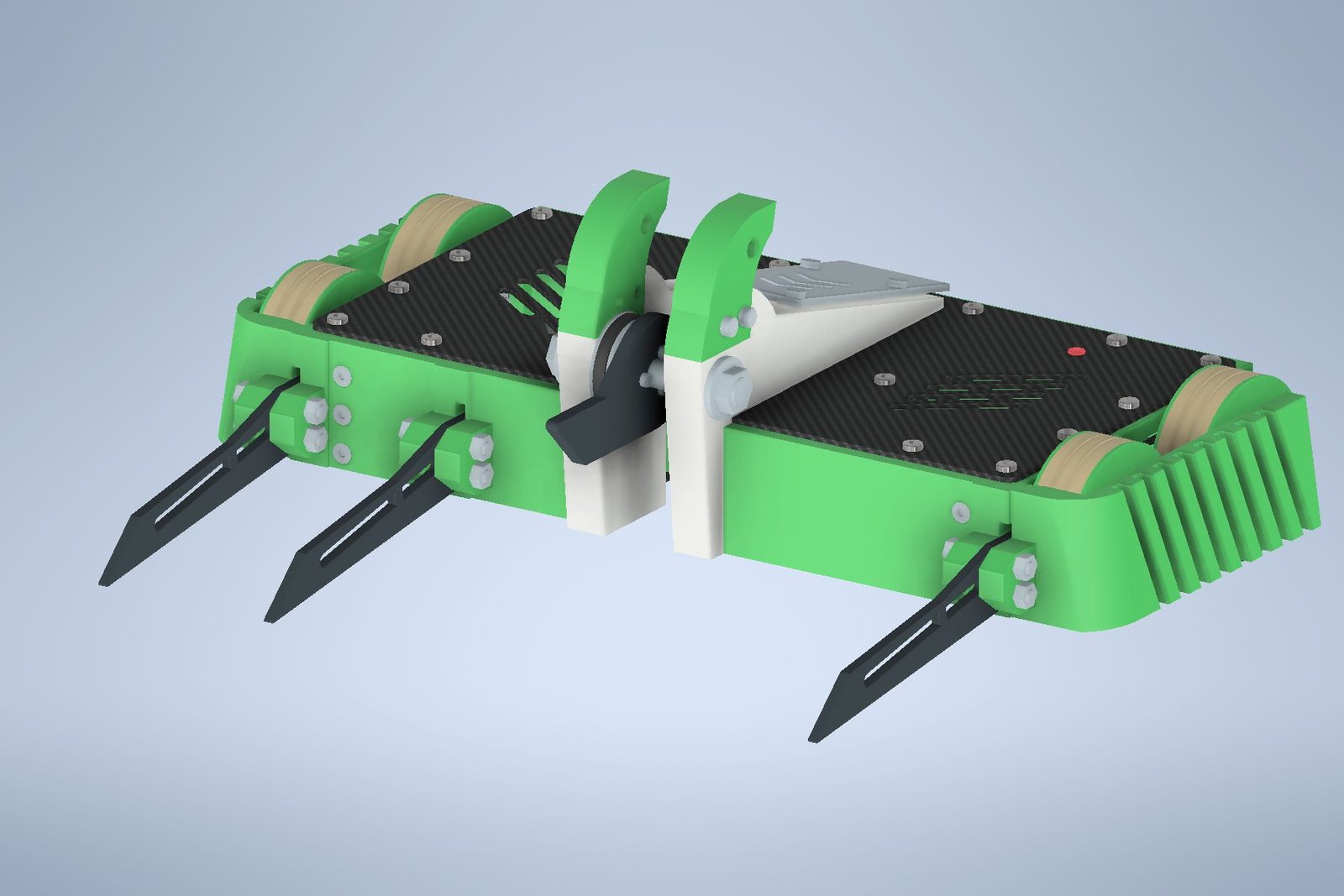
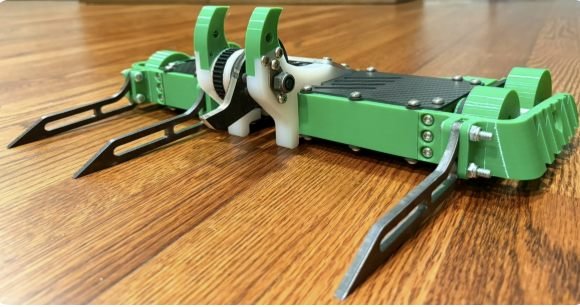
We're Bots of Prey, two high school students. Reduction is our beetleweight: a green TPU frame, carbon fiber decks, belt-driven four-wheel drive, and a hooked steel blade on a hub motor. We designed it in Autodesk Inventor, built it, and fought it at GSCRL. If you have questions about any of it, get in touch.
GSCRL Mechanical Mayhem, Season 5 opener.
We finished 5th in the 3 lb beetleweight class. Every match showed us something about the robot that we hadn't caught in CAD.
We were knocked out in the winners bracket, so our final ranking could be anywhere from 5th to 9th.
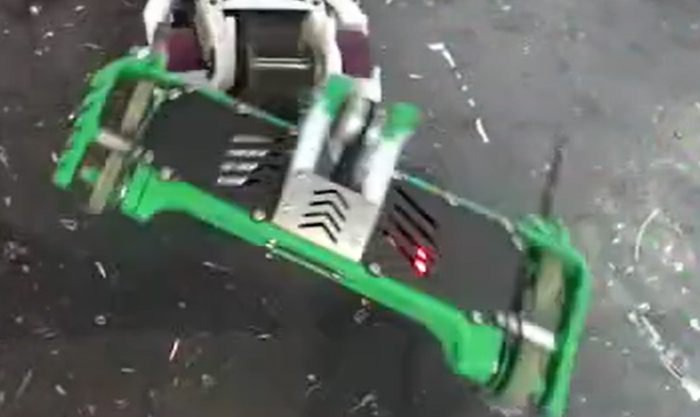
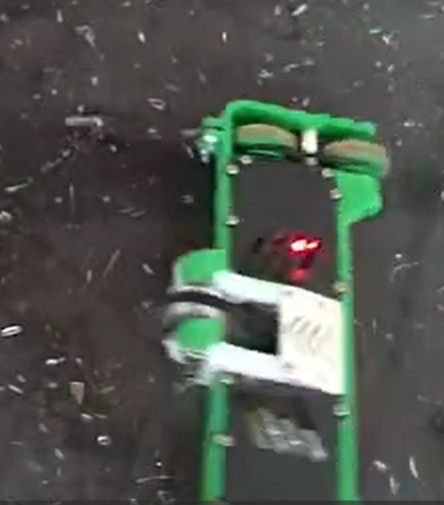
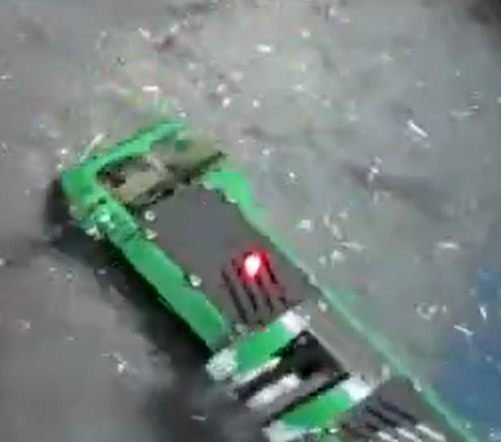
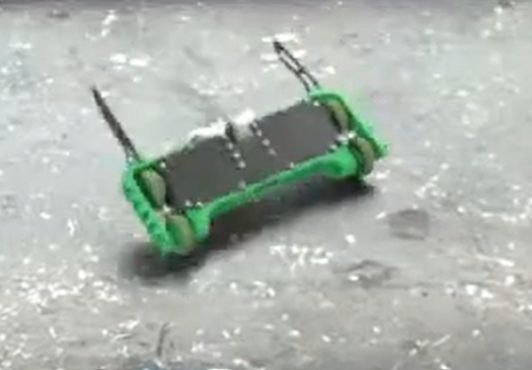
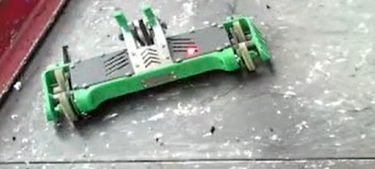
In the arena
Stills from our match videos at GSCRL. They're low resolution, but you can see the robot driving and taking hits.
How the design changed
We modeled the robot in Autodesk Inventor from photos of the real thing. The early versions got things wrong that took a while to spot. Here's how it changed.
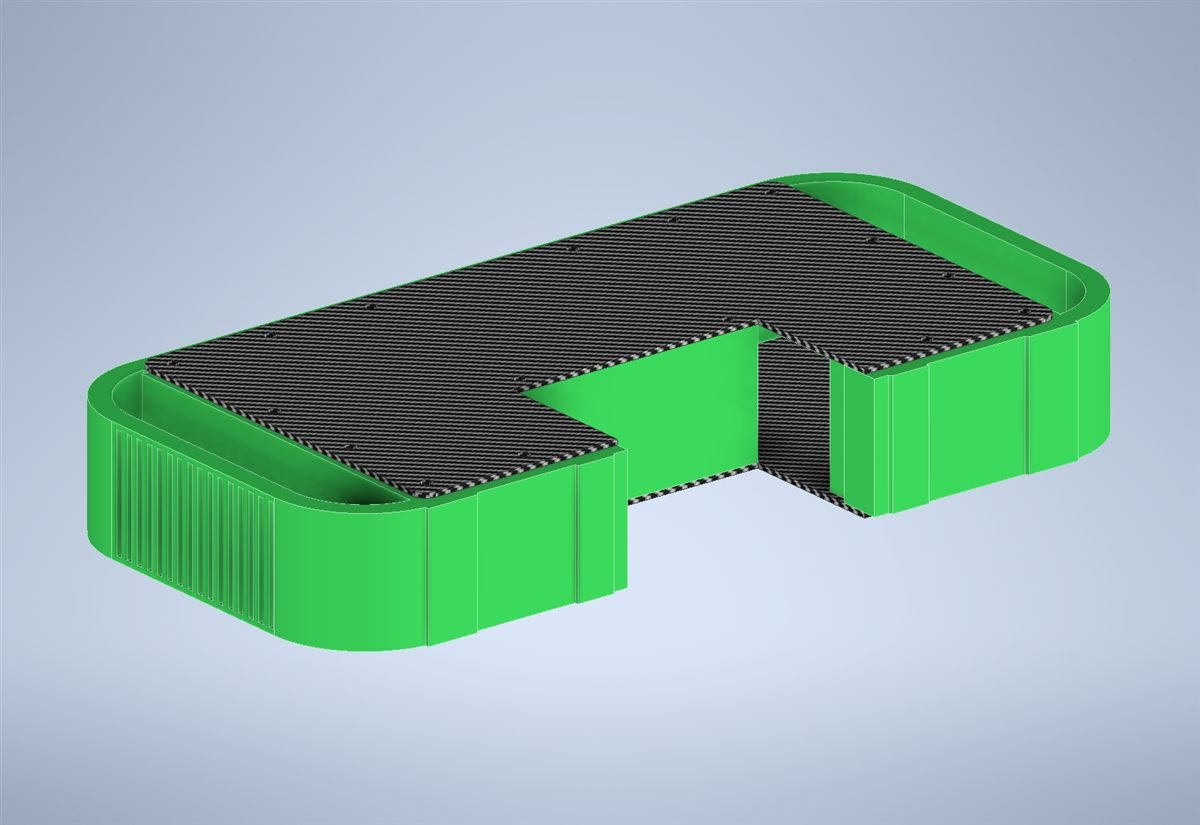
Chassis
Frame, bumpers and top deck, sized around the 51 mm wheels.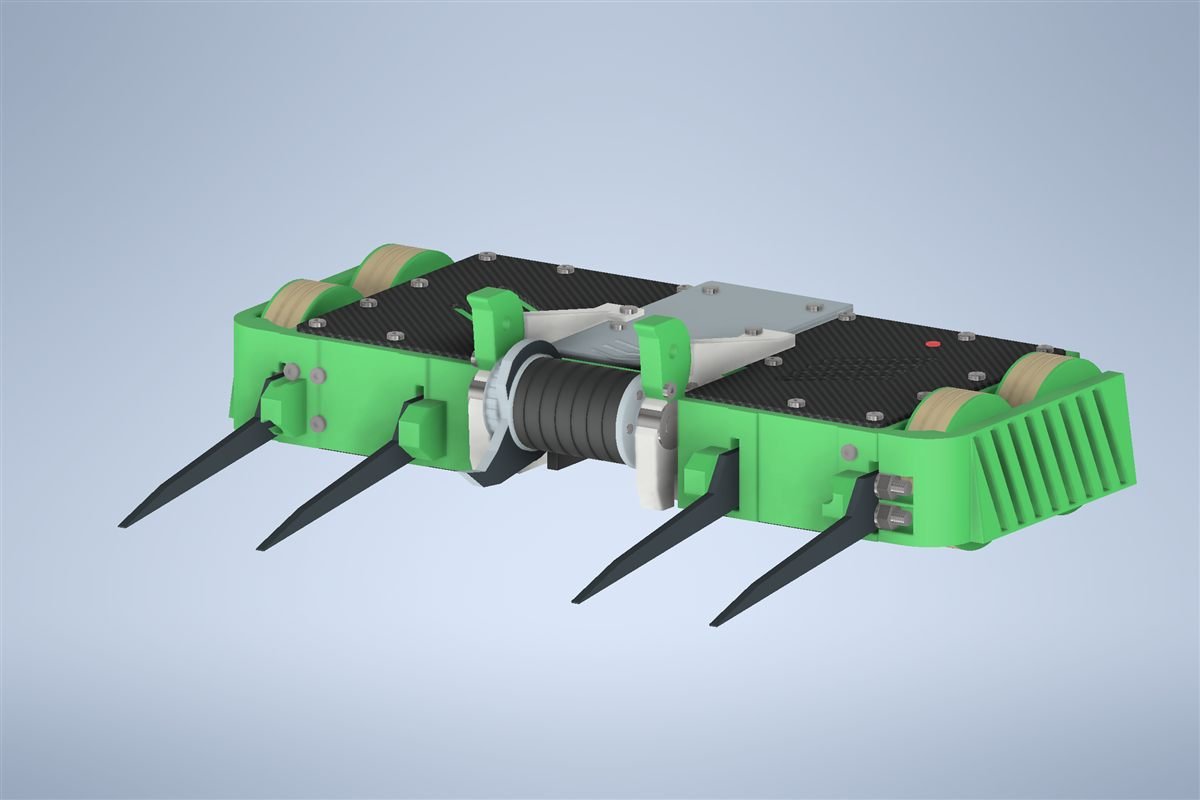
Drum weapon
From the photos we first guessed a belt-driven drum with four tines. We'd read the pictures wrong.
Hooked blade
A single hooked blade, three tines mounted in channels, flush screw seats, and a steel shield facing backward over the middle of the robot.This isn't our latest CAD. We keep improving the robot faster than we can update this site, so the model and renders here are behind the real thing.
What we're building next
GSCRL showed us where Reduction is weak. Hammers and overhead weapons landed on the flat top, the rear wheels took direct hits, and repairs between matches took too long. This is what we're changing.
Armor
- Rear-wheel guards. Protective guards around the back wheels to cut down on direct hits, while keeping enough clearance for the wheels to spin freely.
- Fully angled top armor. Sloped panels instead of a flat top, so hammer and overhead hits glance off.
- Reinforced armor supports. More structure under the top panels so they don't cave in.
- Better side protection. Cover exposed components and thicken the edges and corners that get hit most.
- Stronger front wedge. A better wedge angle and stronger mounting points for head-on hits.
- Replaceable armor panels. So we can swap a damaged section between matches instead of rebuilding.
Inside the robot
- Protected internals. Better mounts and padding for the battery, electronics and wiring so hits don't shake things loose.
- Easier maintenance access. Access panels that make battery swaps and repairs faster in the pits.
Driving
- Traction and balance. Different tires and better weight placement for more pushing power.
- Self-righting. Either a way to flip back over, or a layout that drives fine upside down.
Some of this is already in progress in CAD, starting with a stress study on the weapon carrier. It's on the build page.
The numbers
The main specs.
The full parts list
Every part with its weight, dimensions and price. You can turn parts on and off to see how the total changes. If you want the CAD, email us and we'll send it.